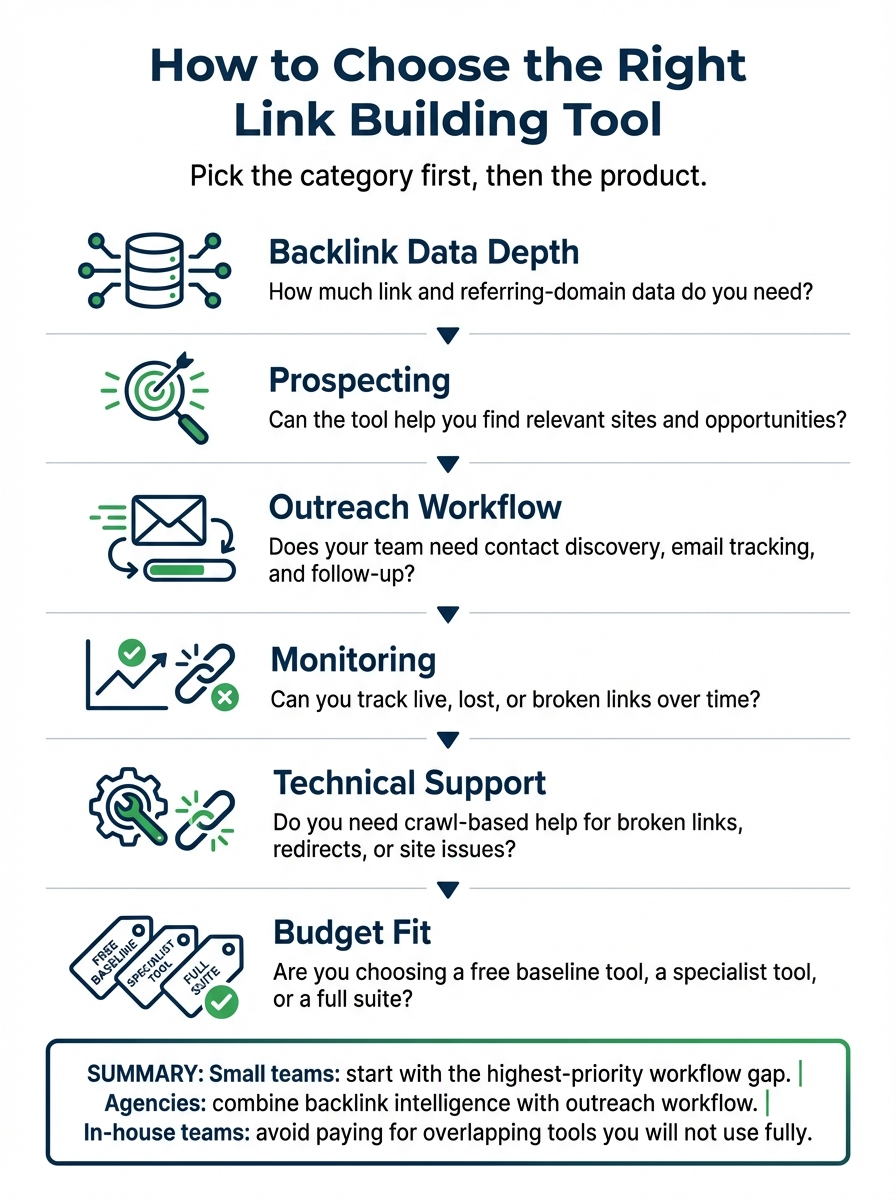
Tips for Configuring Advanced Link Tools in 2026
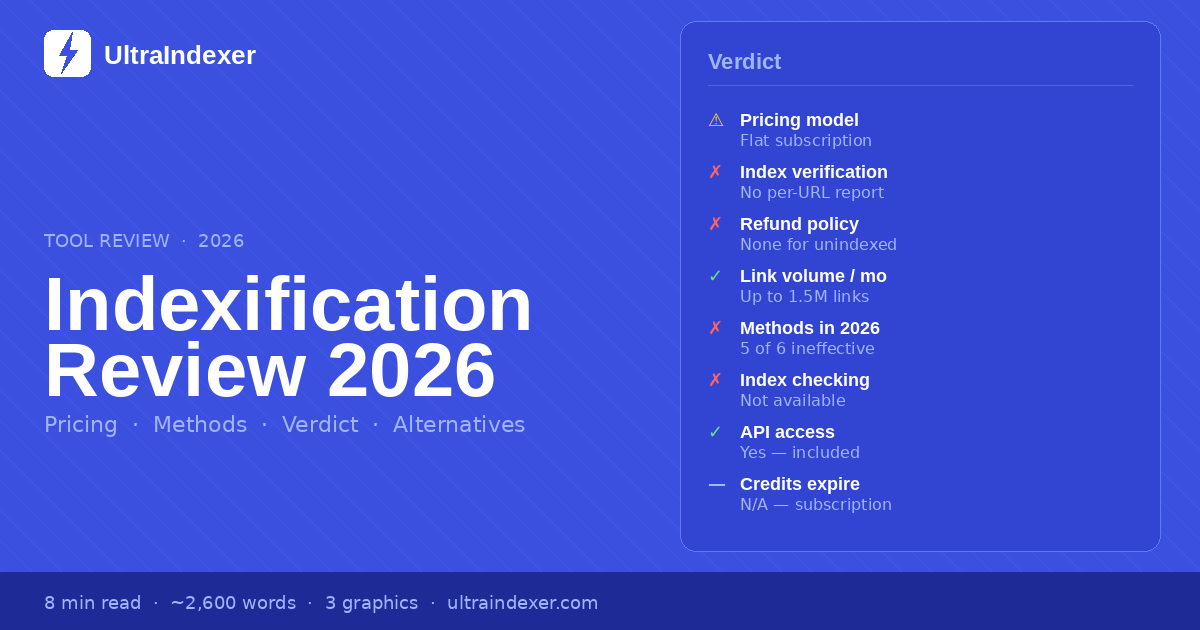
They disregard the majority of these synthetic signals. My test batch showed just a 34 percent indexing rate within 2 weeks. That's not much better than not doing anything and waiting on natural discovery. The bulk processing is fast, which creates the impression of activity. URLs get sent rapidly. The service reports success.
It's cheap, but cheap doesn't matter if it does not work. OneHourIndexing promises automation and speed. The name recommends near-instant outcomes. The reality is more modest. Some links index within a couple of days. Others take significantly longer than the marketing indicates. The automation is in fact beneficial for small projects. Set up a list, schedule submissions, and let it run.
When I evaluated fifty links, the indexing spread ranged from two days to sixteen days. That's too wide for reputable campaign planning. The rates begins at seventeen dollars monthly, making it accessible. For hobbyist SEOs or small site owners with periodic requirements, it's a reasonable starting point. For agencies or major link contractors, the unpredictable timelines develop more problems than they resolve.
My testing revealed a 38 percent indexing rate on a batch of forty links. The efficiency seems to differ considerably based on the type of link being submitted.
Finding Private Proxies for Global Campaigns
Profile links were mostly overlooked. The interface is bare bones. Submit URLs, wait, examine outcomes. No detailed analytics. No failure descriptions. No optimization ideas. For the cost, the worth is appropriate for small campaigns. For anything major, you rapidly outgrow it. Google Search Console is free and it comes directly from the source.
Sent twenty URLs by hand. Eighteen were indexed within fourteen days. That's a 90 percent success rate, which sounds remarkable up until you realize that doing this manually for hundreds of links would be a full-time task.
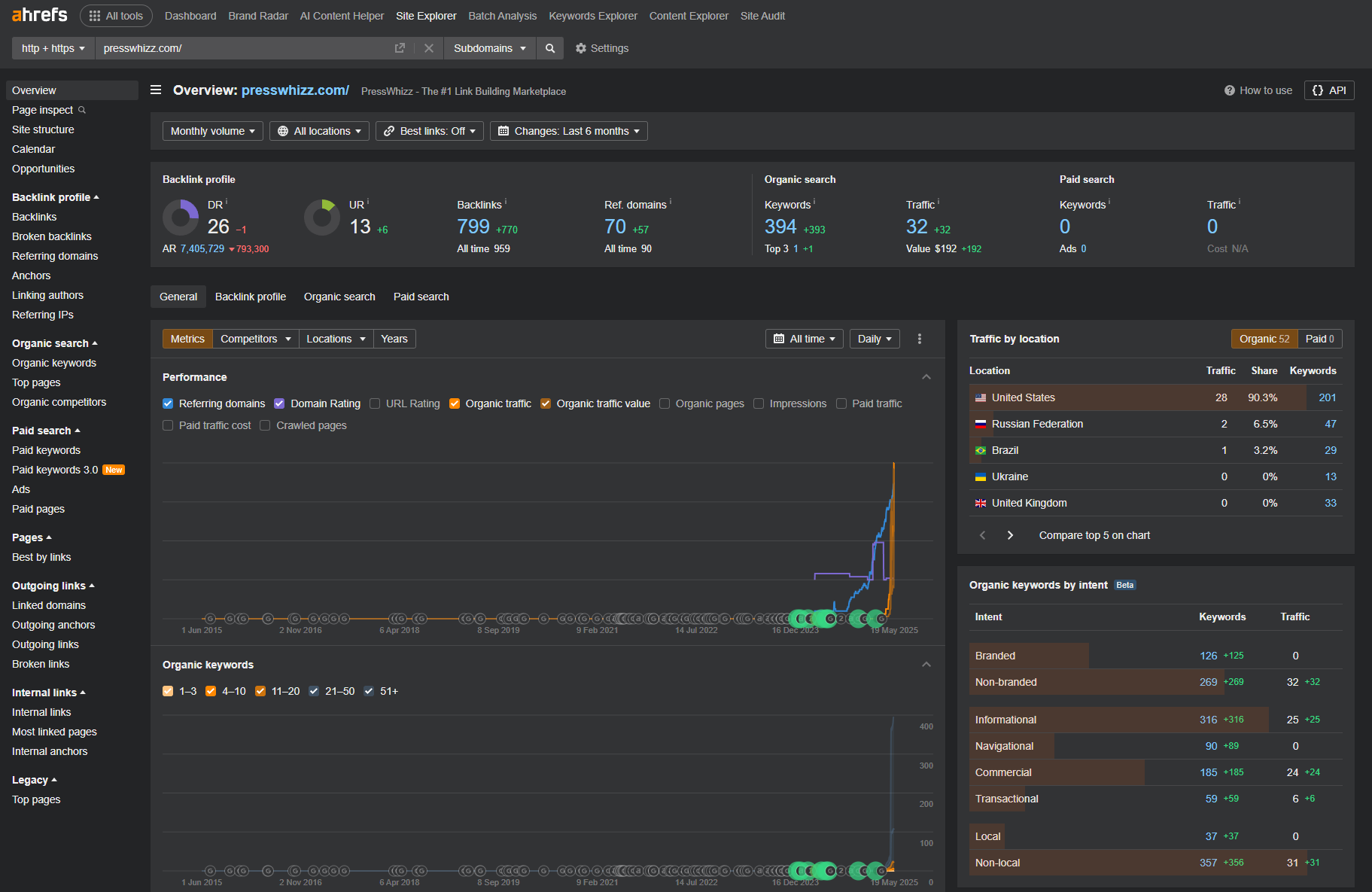
For volume link building campaigns, manual submission is impractical. It's a backlink tracking and analysis tool. It has the deepest commercial crawl index readily available, which implies you can see when Ahrefs discovers your links even before Google indexes them.
If Ahrefs sees your link within a couple of days, that's a favorable signal that the page is crawlable and available. If Ahrefs doesn't see it after two weeks, something is technically wrong with the positioning. The restriction is apparent. Ahrefs doesn't assist get links indexed. It simply tells you whether they exist in the search ecosystem.
GSA SER requirementsI require to say something that the backlink indexing market frantically tries to conceal. They claim to have "secret techniques" or "exclusive technology" that requires Google to crawl your links.
New Link Discovery Strategies in 2026
Techniques that Google has been overlooking for years. Google's crawling infrastructure in 2026 is sophisticated. Internal links from recognized sites.
Google Browse Console showed nothing. The links stayed invisible. The indexers that really work, like IndexChex, understand this.
Social evidence, contextual discusses, behavioral signals. Things that actually assist Google's crawlers find and examine brand-new pages. This is likewise a great time to mention that indexing does not guarantee ranking. A link can be indexed and still be worthless. The site might be low authority. The content may be unimportant.
The Best Private Proxies for Global Indexing
Indexing is essential however not adequate. You still need quality links on quality sites. They just produce discovery signals that help crawlers find your links much faster.
GSA SER requirements
A link on a high-authority site with frequent crawling might get discovered in 2 days. A link on a new blog site with no traffic may take six weeks.