The Difference Between Verified and Alive Website Targets
The year 2026 has seen a substantial shift in how seo experts deal with data. Gone are the days when simply having a list of 10 thousand URLs ensured an one-upmanship. The sheer volume of details offered has made the difference in between raw scraped data and verified link notes the choosing element in successful digital techniques. As algorithms end up being more proficient at determining low-value connections, the metrics used to assess these lists have actually evolved from easy amount to complicated quality indicators.
The Decrease of Raw Scraped Data in 2026
Raw scraping involves pulling every URL from an online search engine results page or a directory without checking the current status or history of those websites. While this was typical years ago, 2026 marks an era where this method typically causes more harm than good. Scraped information is often filled with "dead" domains, sites that have actually been de-indexed, or pages that have altered their submission policies. SEO professionals in the local market now discover that over 80 percent of raw scraped data is unusable for premium link acquisition.
When a site is scraped, the information is a static photo of a particular moment. By the time a professional tries to use that list, the website may have moved, expired, or carried out stringent anti-bot steps. This causes a high failure rate throughout the outreach or submission phase. Numerous experts prefer the consistency found in Asia Virtual Solutions Builder over unproven sources. Counting on validated data minimizes the time invested in stopped working attempts and keeps the concentrate on active, high-performing targets.
Metric 1: Historical Determination and Live Verification
Among the most important metrics in 2026 is historical perseverance. This describes the length of time a website has actually kept its status as a feasible link target. Verified lists are built by examining URLs regularly-- in some cases daily-- to ensure they still exist and still accept new content. A confirmed list does not simply show a URL; it reveals a record of effective positionings over the last numerous months.
Live verification innovation has improved to the point where a list can be "warm" or "cold." A warm list includes sites that have effectively indexed new links within the last 2 days. Utilizing a cold, raw scrape implies facing damaged types and 404 mistakes. For those providing digital marketing services, the effectiveness of a warm list is difficult to disregard. It eliminates the guesswork that used to specify the early stages of a link-building project.
Metric 2: Semantic Positioning and Contextual Significance
Online search engine in 2026 no longer look at links in isolation. They assess the semantic relationship between the source and the target. Raw scrapes hardly ever account for this. They might classify a website as "General" when it has in fact rotated to a particular niche like renewable energy or urban agriculture. Confirmed lists, however, typically include AI-generated tags that describe the existing material focus of the website.
This contextual relevance is a core metric for success in various regions. If the content on a target page does not match the intent of the link, the worth of that link is efficiently zero. Verified information sets enable accurate filtering based on these semantic ratings. This guarantees that every link contributed to a profile enhances the topical authority of the website instead of diluting it with unimportant connections.
Metric 3: Indexation Speed and Discovery Rates
In 2026, the speed at which a new link is found and indexed by online search engine has actually become a primary efficiency indication. A link that exists but isn't indexed provides no value. Raw scraped lists often consist of "ghost websites"-- pages that look active however have actually been functionally overlooked by search crawlers for months. Verified lists fix this by keeping an eye on the indexation velocity of the domains on the list.
Premium information suppliers track for how long it takes for a brand-new post on a particular domain to appear in search outcomes. Sites with a high discovery rate are focused on. Asia Virtual Solutions Meet GSA SER Builder remains a top priority for those handling high-stakes projects. By focusing on domains with proven indexation speed, professionals can see the outcomes of their efforts in days instead of waiting weeks for a spider to discover a forgotten corner of the web.
Outbound Link Ratio and Area Quality
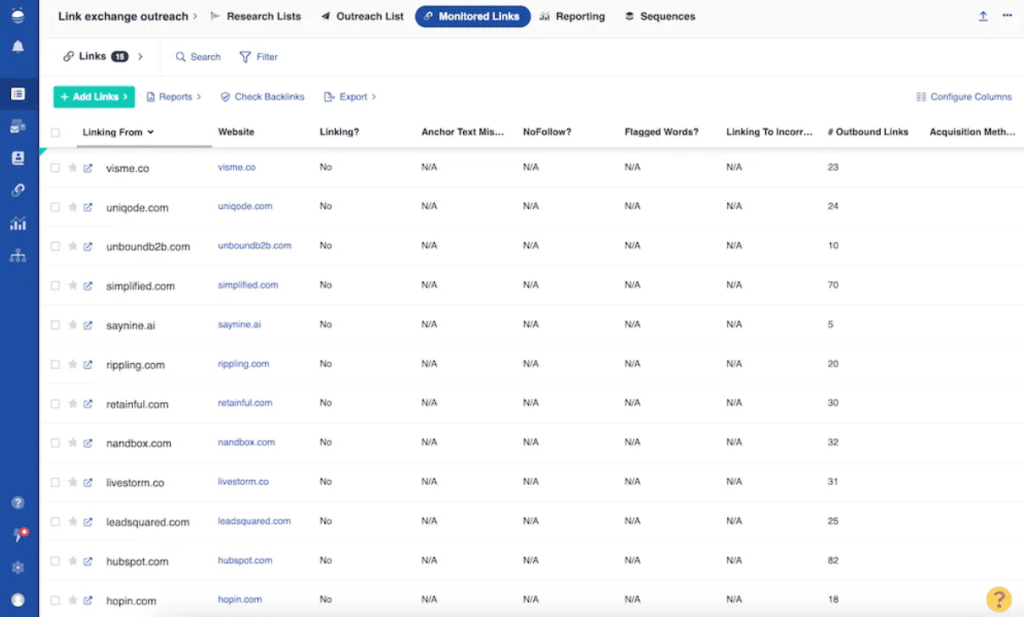
The "community" of a website is a metric that examines the other websites a domain links to. In the past, scrapers would find any website with an open remark area or a visitor post form. In 2026, if a domain links to a mix of premium resources and low-grade spam, the whole domain is flagged. Validated lists go through a "neighborhood check" where domains are excluded if their outbound link ratio (OLR) is too high or if they connect to suspicious sectors.
This vetting process avoids a website from being associated with "bad areas." Raw scrapes frequently lead straight into these traps due to the fact that they just see the presence of a link chance, not the quality of the surrounding links. A validated list acts as a filter, removing the dangers before they ever touch a client's profile. This is specifically useful for companies in the local market that need to protect their digital reputation while growing their online existence.
The Cost of Data Rot in SEO Campaigns
Data rot is the steady decay of details precision. In SEO, data rot occurs when sites go offline, alter their CMS, or update their robots.txt files. Raw scraped data has a service life of about two weeks in 2026. Beyond that point, the rot makes the list more of a barrier than a help. The expense of paying a professional to manually arrange through a rotted list far exceeds the initial price of a confirmed, high-quality list.
Performance is the name of the video game. Using verified information enables a streamlined workflow where most of the time is spent on method and content creation instead of data cleansing. When looking at the bottom line, the greater upfront expense of a verified list is balanced out by the massive reduction in labor hours. Many successful companies in local areas have approached a model where raw scraping is strictly a secondary research study tool, while verified lists drive the actual execution.
Comparing Automation and Handbook Oversight
While automation manages much of the confirmation procedure in 2026, the best link lists still include a degree of manual oversight. Human editors can find patterns that AI might miss out on, such as a website that looks technically ideal however has a harmful community or a history of sudden content shifts. Confirmed lists frequently integrate automatic status consult human quality control to ensure the greatest standards.
Raw scrapes are 100 percent automated and 0 percent evaluated. This absence of oversight is why they often include duplicate entries, redirect loops, and harmful URLs. For a brand's security, the manual layer of a verified list offers a buffer that automated scrapes can not match. Security is a major issue in 2026, and a single harmful link in a project can trigger enduring damage to a domain's trust score.
Future Proofing Link Acquisition for 2026 and Beyond
The pattern toward data verification is not a short-lived phase. As search engines continue to incorporate more sophisticated AI to assess web structures, the quality of information will only become more important. Success in 2026 requires a relocation far from the "more is better" mindset. The brand-new mantra is "better is much better." A list of 50 validated, high-authority, semantically pertinent links deserves more than a raw scrape of 50,000 unverified URLs.
Strategic development depends upon the ability to adjust to these altering metrics. By concentrating on historic persistence, indexation speed, and area quality, SEO experts can construct profiles that endure algorithm updates. Utilizing validated link lists makes sure that every action taken is based on precise, existing details. In the competitive environment of 2026, this precision is the most valuable possession a digital specialist can have.