Modern URL Discovery Techniques for 2026
It anchors signals to pillar subjects that matter to your audience and to browse engines. By connecting Render Rationales (the why behind each signal) and Per-Locale Journals (the locale-specific context and restrictions), you can prove the authenticity of each backlink render and keep a coherent narrative as content travels throughout Understanding Cards, Maps, Copilot prompts, and edge surface areas.
For more on the governance technique and practical alignment with localization, see the external references listed below. The indexation and signal propagation work explained here are intended to be regulator-ready and scalable. In Part 2, we'll dive into practical fundamentals: what counts as a high-value backlink for GSA SER, how to examine referring domains, and how to measure pillar-topic effect throughout locales.

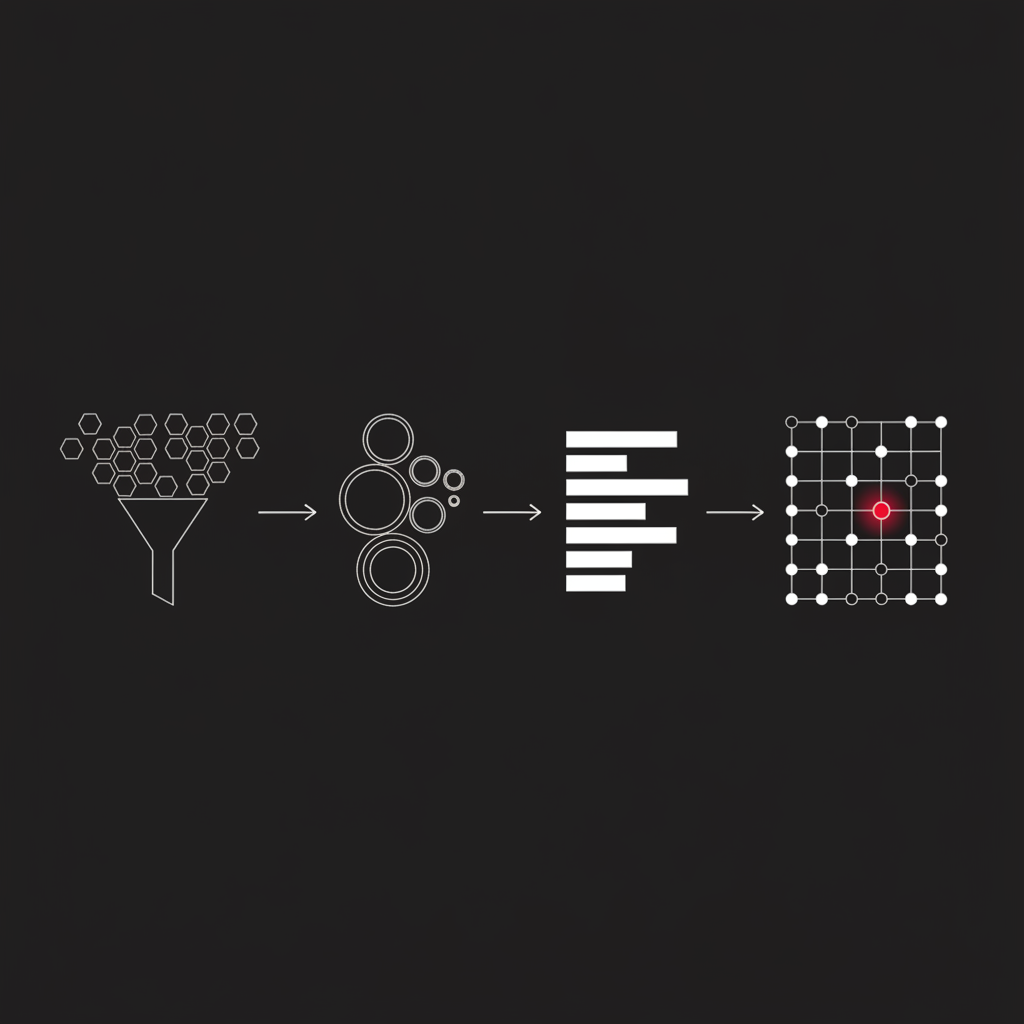
Full-width governance structure: signals, provenance, and localization across surfaces. The governance spine is what makes this approach durable: it takes a trip pillar semantics through Knowledge Cards, Maps, Copilot prompts, and edge surfaces, preserving semantic stability as you broaden localization depth.
As you prepare your preliminary initiatives, consider beginning with a little, premium asset set that exemplifies pillar-topic depth in one location. Connect Render Rationales and Per-Locale Ledgers to every signal, and use edge-routing guardrails to guarantee shipment reliability throughout gadgets and surface areas. This disciplined start sets a foundation for regulator-ready growth as you broaden pillar subjects and surface area reach.