Managed Vs Unmanaged Backlink Infrastructure

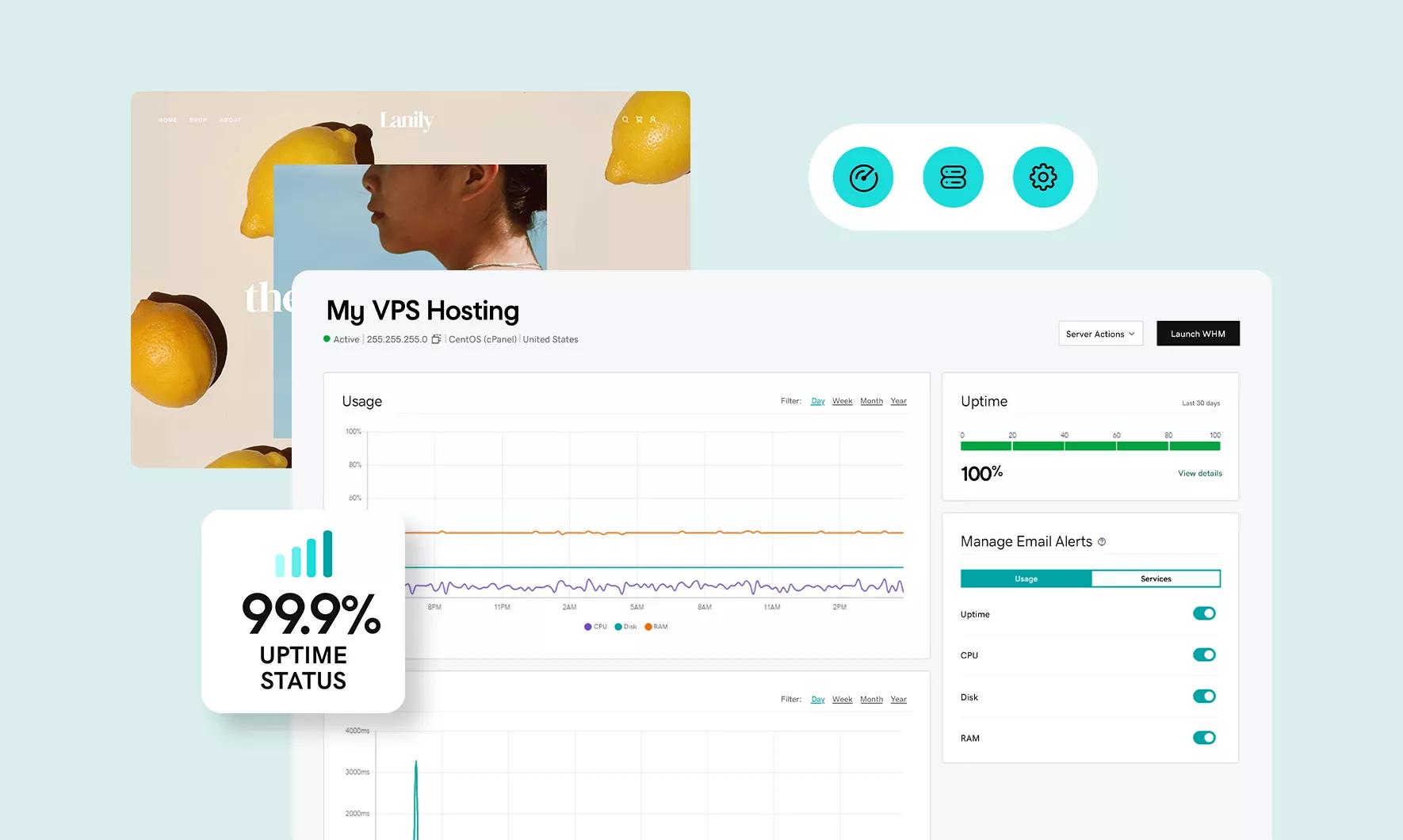
A Virtual Personal Server (VPS) is a type of virtual machine that mimics the experience of a devoted physical server by splitting a physical server "essentially," allowing multiple users to develop their own virtual servers on one physical server. While numerous Virtual Personal Servers are hosted on one physical server, each VPS is totally private, indicating it can run independent os, and has its own devoted memory.
VPS hosting is a lot more cost-efficient for the vast bulk of services than purchasing, setting up, and preserving physical servers. In addition, users can scale up their virtual private servers quickly by either including memory to a single VPS or by creating extra VPS circumstances with their preferred VPS company.
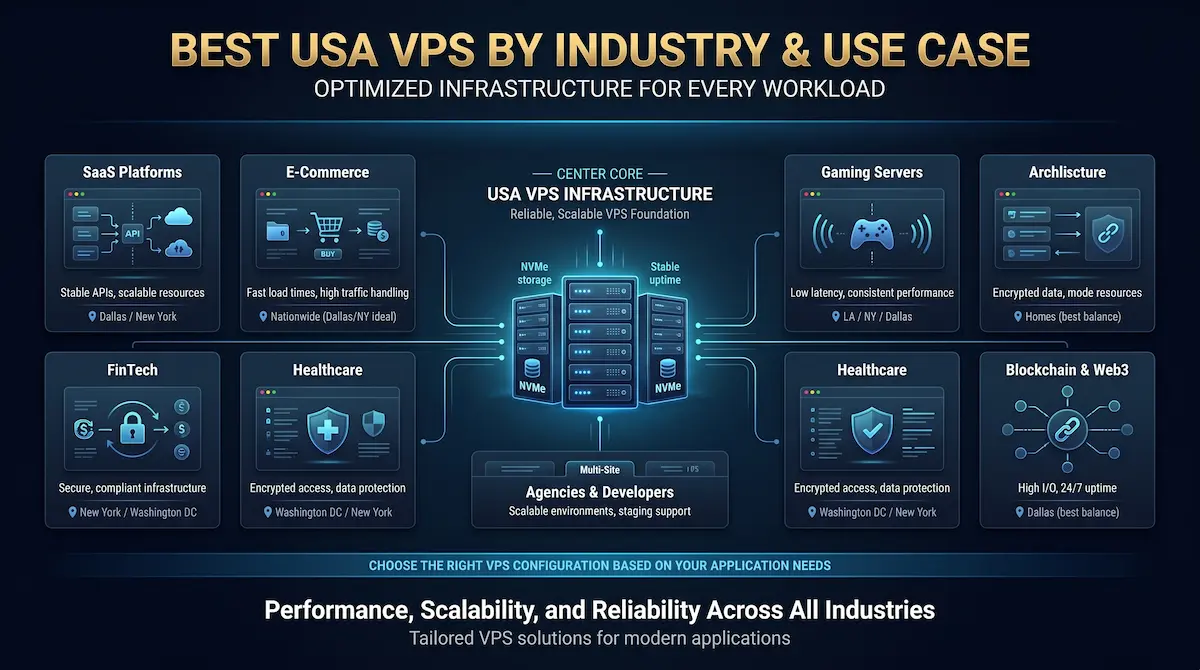
Website efficiency and speed are crucial success factors when doing company online. Businesses are always trying to find methods to enhance their online platforms as they make every effort for faster load times and ideal user experiences. sticks out as a promising alternative in this pursuit. VPS hosting is widely known for its capability to offer specialized resources and more control.
VPS hosting harnesses the power of virtualization technology to transform a single physical server into multiple virtual servers. Image it as dividing a large cake into private slices, each with its distinct taste. These virtual servers operate autonomously, similar to separate entities with their own operating systems, resources, and storage area.
Unlike shared hosting where resources are divvied up amongst numerous users, VPS guarantees that each website enjoys its dedicated portion, resulting in smoother operations and faster loading times. One of the main benefits of VPS hosting is its influence on site speed. VPS hosting gives each website devoted resources, as opposed to shared hosting, which divides resources throughout numerous websites.
How Server Speed Affects Ranking Performance
Another advantage of VPS hosting is its versatility and scalability. With VPS, users can personalize their server environment according to their specific requirements. This flexibility permits companies to optimize their websites for peak performance, specifically during durations of high traffic. Any site owner's first concern ought to be security. In contrast to shared hosting settings, VPS hosting supplies greater security features.
Furthermore, VPS hosting suppliers typically execute advanced security protocols and regular security updates to secure their clients' sites. A crucial part of seo (SEO) is website speed. Search engines like Google prioritize fast-loading sites in their search engine result, resulting in greater rankings and increased presence. By switching to VPS hosting, site owners can improve their website's packing times, leading to much better SEO efficiency and ultimately more organic traffic.
The enhanced speed, performance, and security VPS hosting provides can lead to higher conversion rates, increased profits, and ultimately a greater return on investment (ROI) for businesses. With dedicated resources offered to every website via VPS hosting, constant performance is ensured even during periods of high traffic. This implies your site will not be affected by the activities of other users on the server, offering stability and reliability.
2026 Complete Backlink Software Guide
Whether you're experiencing an abrupt surge in traffic or planning for growth, VPS enables you to easily upgrade your resources without any downtime. VPS hosting enables greater personalization, giving you manage over your server environment. You can install and set up software application applications according to your specific requirements, enhancing performance and functionality.
This level of access grants you complete control over your hosting environment, allowing you to make advanced configurations and tailor settings to meet your requirements. When it comes to dependability, VPS hosting is exceptional to shared hosting. Given that your website operates on its own virtual server, it is less vulnerable to efficiency problems brought on by other users' activities.
VPS hosting offers better seclusion between websites compared to shared hosting. Each virtual server operates independently, lessening the threat of efficiency deterioration or security breaches brought on by neighboring sites. When selecting a VPS hosting provider, it's necessary to think about several elements to ensure you get the best service for your needs.
Learning High-Speed SEO Software Safely
Choose a VPS hosting strategy with adequate resources to support your website's needs without compromising speed or dependability. Choose a service that will make it basic to scale your site as it broadens. Guarantee that you can upgrade your VPS plan perfectly without experiencing downtime or disturbances to your website.
Asia Virtual Solutions YouTubeProtecting your site from cyber threats is important for preserving trust and reliability with your audience. Select a virtual private server (VPS) hosting business that uses handy and quick customer support. In the event of technical problems or concerns, you'll desire access to a support team that can offer prompt support and solutions.