How Advanced Material Models Improve Link Approval Rates

Evolution of Link Acquisition in 2026
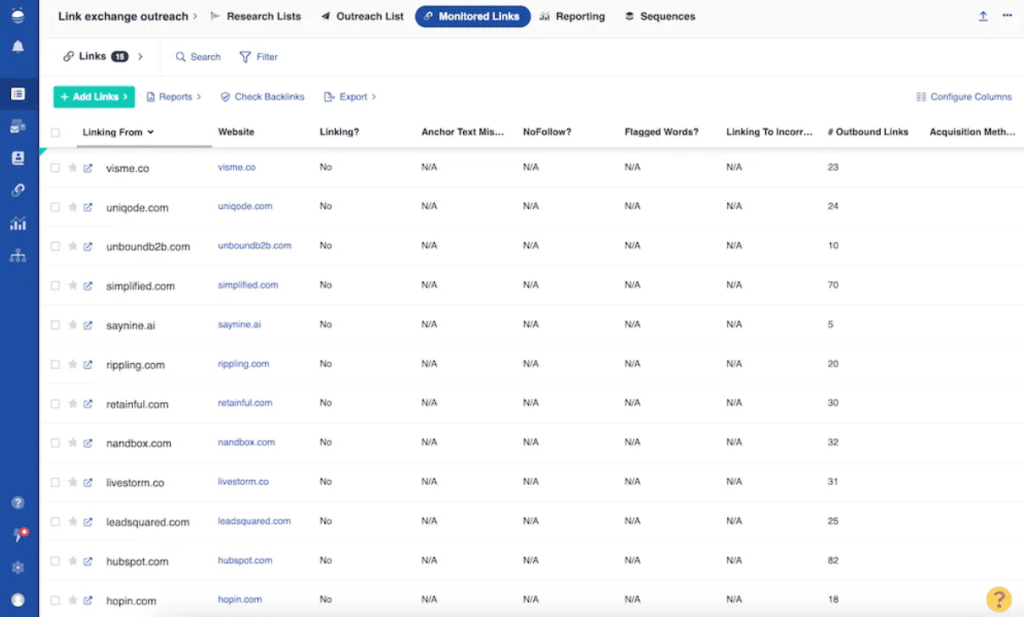
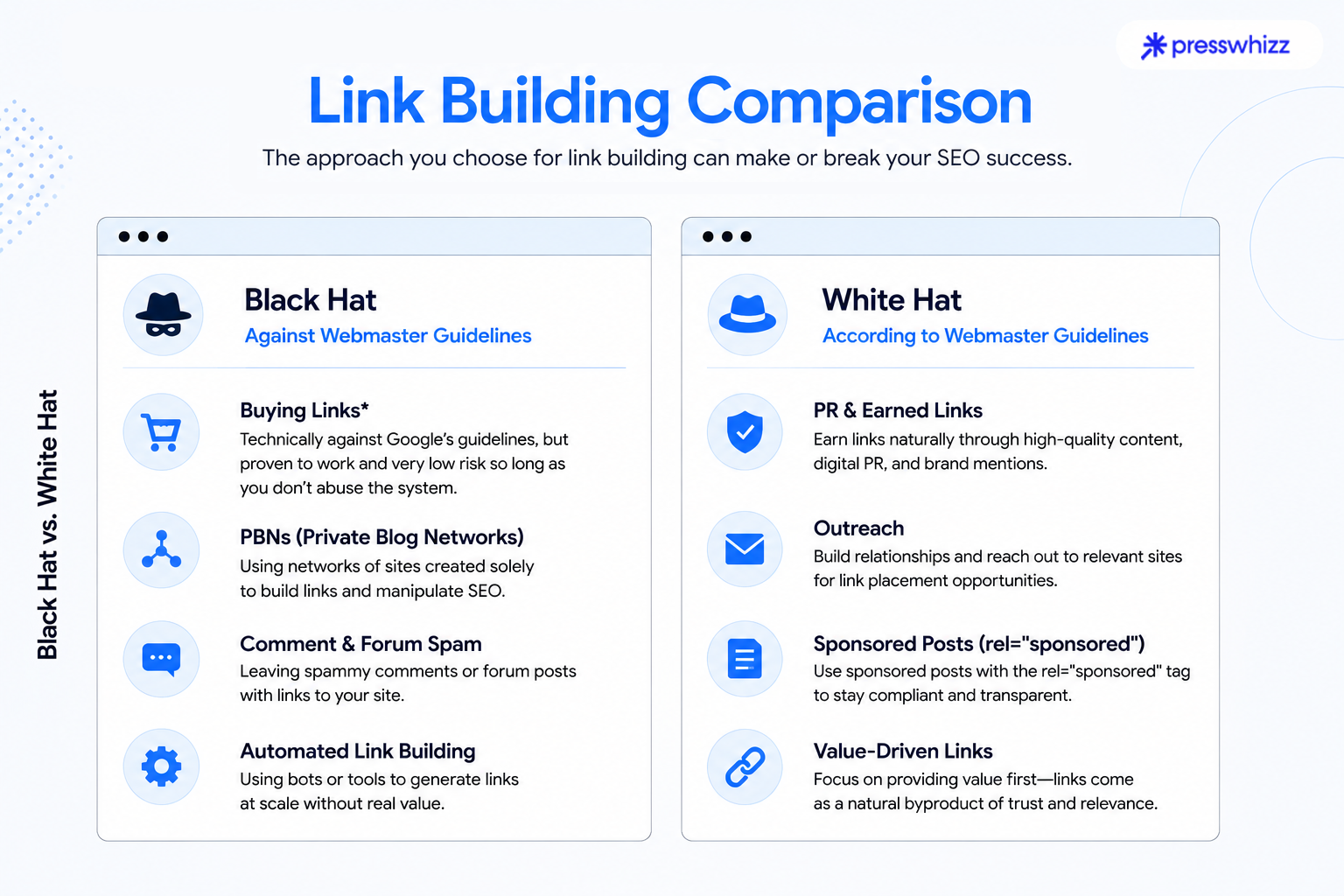
Link building in 2026 looks absolutely nothing like the automation-heavy tactics of the early 2020s. Online search engine now identify patterns in bulk-scraped information within hours, frequently before the links are even indexed. Using raw lists of domains scraped without context typically leads to instant suppression of visibility. The shift towards validated link lists has changed how companies in the local market method their digital technique.
The main difference between a public and a private list is not just exclusivity, but the level of human or AI-driven confirmation each entry undergoes. Raw scraped data frequently consists of "ghost" websites-- domains that look active to a bot but have no real human traffic. These sites are kept exclusively for advertisement impressions or link selling, and by 2026, search algorithms have ended up being professionals at ignoring them.
The Failure of Raw Scraped Data
Scraped information relies on volume over intent. A typical scrape for digital marketing might yield 50,000 URLs, however after filtering for 2026 quality standards, just a handful stay practical. The rest are often part of expiring private blog networks or sites that have actually been flagged for abnormal patterns. When a project uses these raw lists, it risks a manual review or an irreversible algorithmic dampening.
One significant issue with raw information is the lack of topical significance. In 2026, a link from a site about gardening pointing to a site about professional industry needs carries practically no weight. Scrapers generally can not differentiate in between a site that points out a keyword and a website that actually has authority on a subject. This lack of nuance is why raw scraping has mostly been abandoned by serious specialists.
Why Validated Lists Outperform in 2026 SEO
Confirmation is the defining metric for current projects. While a public list might declare 10,000 targets, a confirmed list may only have 200. These 200 targets bring more weight due to the fact that they have actually passed look for traffic credibility and audience engagement. Many professionals in the regional area now focus on these smaller sized, harder-to-get positionings due to the fact that they provide a steady foundation for long-term development.
A verified list makes sure that every domain has a clean history. In 2026, search engines track the "area" of a website. If a website links to spammy or low-quality content, every other link on that page declines. Validated lists prune these bad neighbors before a project even begins. Success in BuyGSAList Marketplace depends heavily on this kind of data tidiness.
Public Lists and the Issue of Rapid Decay
Public link lists struggle with a phenomenon understood as "list decay." As quickly as a list becomes readily available to the general public, numerous SEO professionals begin using it. This develops a footprint that browse engines can easily trace. When 500 different sites all get links from the very same set of 50 blogs within a month, the algorithm flags that cluster for adjustment.
In 2026, the lifespan of a public list is determined in weeks. As soon as the pattern is recognized, the value of those links drops to zero. This reveals lists a bad financial investment for businesses focused on long-term growth. The initial low cost of these lists is frequently balanced out by the ultimate requirement to disavow the links or recuperate from a loss in rankings.
The Premium on Private Verified Data
Personal lists are often managed by groups that keep rigorous entry requirements for their domains. These lists are not shared on online forums or offered in bulk on markets. Instead, they are the result of manual outreach and relationship building within particular niches. For a company in the surrounding region, accessing a personal list implies their backlinks are appearing on websites that are not already saturated with outgoing links.
This exclusivity avoids the "footprint" concern that plagues public information. Since the volume of outbound links is managed, the authority of the host domain remains high. Turning to BuyGSAList GSA List Marketplace has ended up being a typical method for companies to bypass the noise of public lists. The focus shifts from getting as lots of links as possible to getting the right links from the right areas.
Economic Reality of Link Building in 2026
The ROI of link structure has shifted toward quality. In the past, people calculated the "expense per link." In 2026, the metric is "expense per ranking motion." A single link from a confirmed, high-traffic domain frequently does more for a website's presence than 1,000 links from a public scraped list. This is particularly real for competitive sectors like specialized industries.
Budgeting for these projects requires a change in state of mind. Validated information is more pricey upfront since it needs continuous maintenance. Domains must be re-verified each month to guarantee they still fulfill traffic and safety standards. The cost of a failed project utilizing poor data-- consisting of the time invested waiting for outcomes that never come-- is far higher.
Technical Standards for Link Verification
Verification in 2026 involves numerous technical difficulties. Initially, the domain needs to show consistent human traffic patterns, not bot-driven spikes. Second, the website needs to have a history of initial content that is actually shared on social platforms or referenced by other authoritative sources. The "outbound to inbound" link ratio need to stay within a range that recommends natural editorial control.
- Traffic Consistency: Websites need to maintain a constant baseline of visitors over a six-month period.
- Content Originality: AI-generated content that offers no brand-new details is flagged and removed from verified lists.
- Connect Speed: The rate at which the site gains and gives links need to appear organic.
- Regional Importance: For local SEO, the website needs to have a connection to the local market.
Comparing Performance Metrics
When comparing the two techniques, the data reveals a clear winner. Campaigns utilizing validated personal lists see a faster climb in rankings and, more notably, they stay there. Scraped data often leads to a "bounce"-- a fast increase in rankings followed by a sharp drop once the algorithm discovers the pattern.
For a business in the area, this stability is necessary. Consistent variations in search visibility make it difficult to prepare for development or manage lead flow. Confirmed lists offer the predictability needed for a major marketing strategy in 2026.
The Function of AI in List Maintenance
While manual verification was the standard for years, 2026 has actually seen the rise of AI-assisted confirmation. These tools can evaluate countless information points to figure out if a website is a "link farm" or a legitimate resource. They take a look at things like hosting patterns, registrar info, and even the belief of the comments section.
This technology has made personal lists much more efficient. It enables list supervisors to get rid of high-risk domains before they can damage a client's profile. This proactive approach is a trademark of high-tier professional digital techniques. It ensures that the information is not simply "tidy" at the start of the year, but stays tidy as online search engine policies evolve.
Final Ideas on Link List Technique
The option between public and personal link lists is no longer a matter of budget, however a matter of survival. Public scraped information has become a liability that can result in long-term damage to a domain's reputation. In contrast, confirmed lists provide a clear path to authority by focusing on the very same metrics that browse engines value: relevance, safety, and real-world influence.
As the industry moves through 2026, the gap in between these 2 techniques will only broaden. Companies that invest in verified data for their core operations are finding it much simpler to maintain their positions. Those still counting on the bulk methods of the past are finding themselves progressively undetectable in an ever-more critical digital market. Concentrating on quality over sheer numbers is the only way to ensure that link building stays a viable part of a growth strategy.
**