Critical Network Requirements for Large SEO Footprints
Genuine links. I used four sets of test links. Twenty fresh guest post links on a finance blog.
The methodology was easy. I sent each batch of links to each indexer. I tracked them daily for two weeks in Google Search Console using the URL Assessment tool. I also kept track of Ahrefs to see when they appeared in the backlink index. The indexers that worked showed up in both places quicker.
I also tracked the number of credits I burned through. Some indexers eat credits for links that were currently indexed. Others only charge for successful submissions. The rates designs matter almost as much as the success rates. IndexChex is the only indexer that made me stop looking for options. The distinction between this and everything else is immediately obvious.
Comparing Managed Link Services for SEO
Things that Google's spiders really react to in 2026. I sent forty fresh links on day one. Within seventy-two hours, thirty-four of them were indexed according to Google Browse Console.
The next best indexer on this list hit 62 percent. The real-time confirmation control panel is what separates IndexChex from the rip-offs. You can see precisely which URLs were submitted, which got crawled, which got indexed, and which stopped working. No guessing. No "trust us, it worked." Simply information. When a link didn't index, the system told me why.
I got him set up with IndexChex for his roof links. Within 4 days, 78 percent of his previously unnoticeable links were showing up in Google Search Console. "I thought those links were dead cash," he texted me.
Why High-Speed SEO Infrastructure Thrive in 2026
The API-based system lets you submit URLs in bulk, track them through a tidy control panel, and just pay for what you use. The indexing speed is solid.
GSA SER requirementsMy test batch revealed a 62 percent indexing rate within one week. The real-time tracking dashboard makes it simple to monitor development without manually examining each URL in Search Console. Where IndexBolt shines is consistency. Some indexers have wild swings, terrific one week and worthless the next. IndexBolt keeps stable efficiency throughout campaigns.
The constraint is that it works finest for simple indexing. If your links are on especially persistent sites or behind uncommon technical barriers, IndexChex manages those edge cases much better. For regular guest posts, directory links, and profile links, IndexBolt provides strong value. IndexMeNow is positioned as the premium alternative in the indexing area, and the pricing shows that.
The dependability is excellent, but the math gets uncomfortable when you're attempting to index hundreds of links. I evaluated IndexMeNow on a batch of fifty fresh links. The indexing rate was 71 percent within 10 days. That's reputable. But at the per-URL price, I invested over forty dollars for outcomes that IndexChex provided faster and more affordable.
GSA SER requirementsLess bulk options, less API versatility, and a control panel that feels designed for little campaigns instead of company scale. If you're a solo operator with occasional indexing needs, the quality is there. If you're running volume, the cost includes up quick. Omega Indexer works on a subscription design starting at twenty dollars each month.
Critical Infrastructure Requirements for Scaling Ranking Footprints
The indexing speed is inconsistent. Some of my test links got gotten within three days. Others sat for eleven days without any activity. This irregularity makes campaign planning difficult. When you're trying to determine link building ROI, unpredictable indexing timelines develop sound in your data. The tracking control panel is basic.
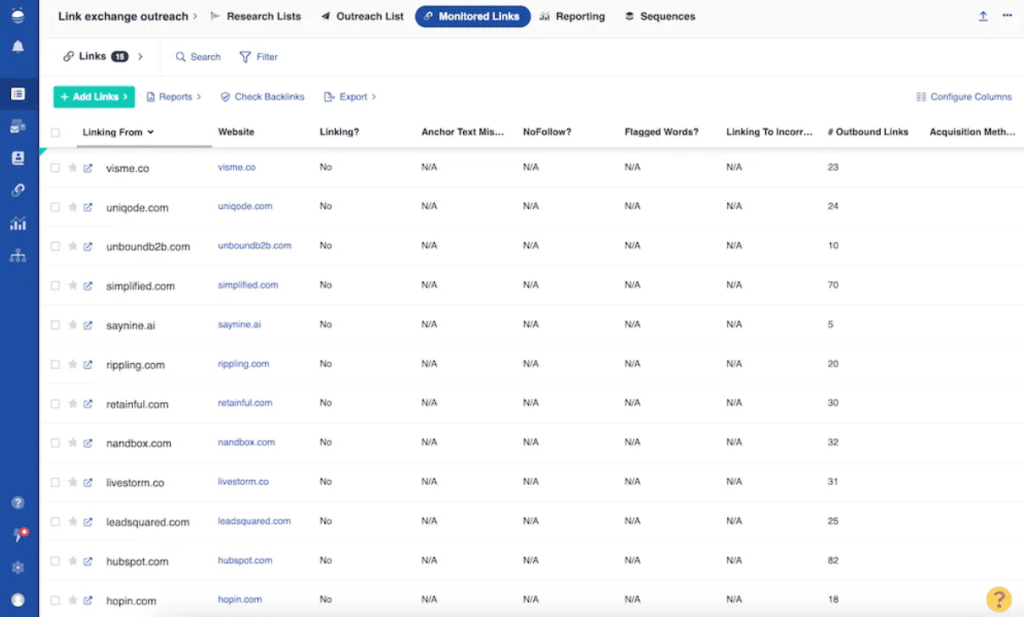
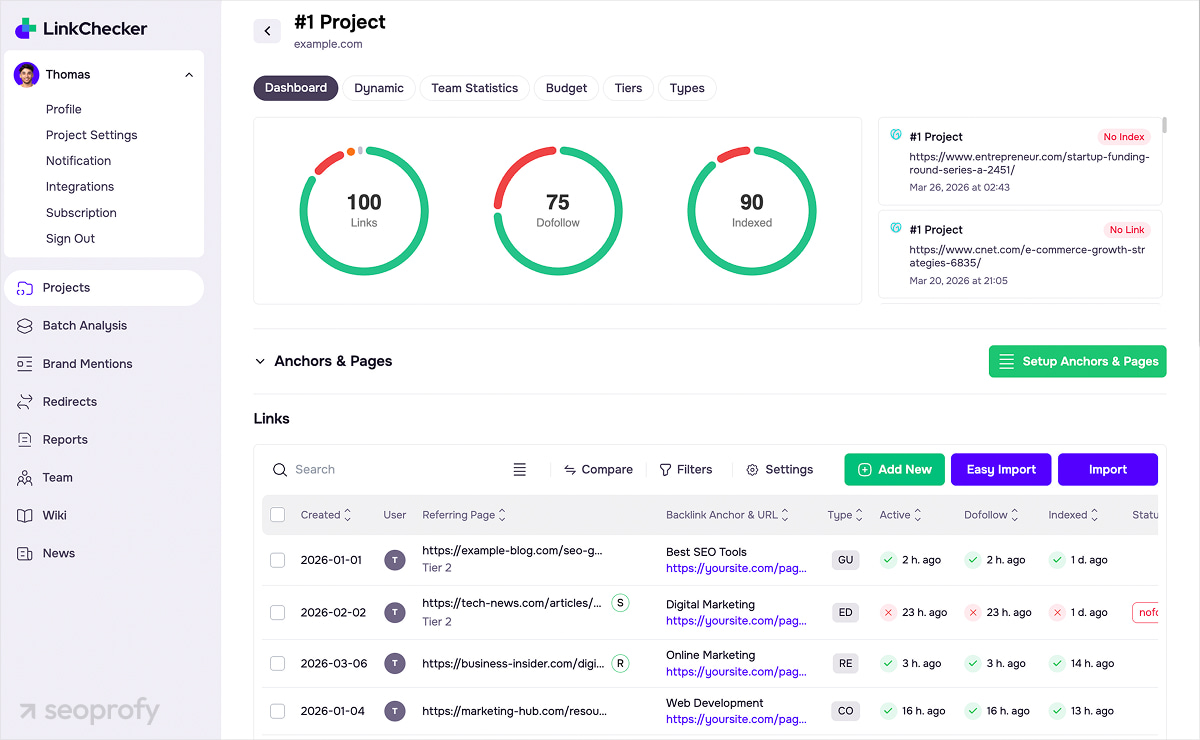
It's a backlink tracking tool that takes place to consist of indexing verification as a core feature. The instant Google index confirmation tells you which of your links are in fact being counted by Google, which is perhaps more crucial than simply getting them crawled.
You can track brand-new links, lost links, broken links, and indexing status all in one control panel. The constraint is that doesn't actively push indexing the way committed indexers do.