Boosting Your Project ROI Through Accuracy List Curation

Evolution of Link Acquisition in 2026
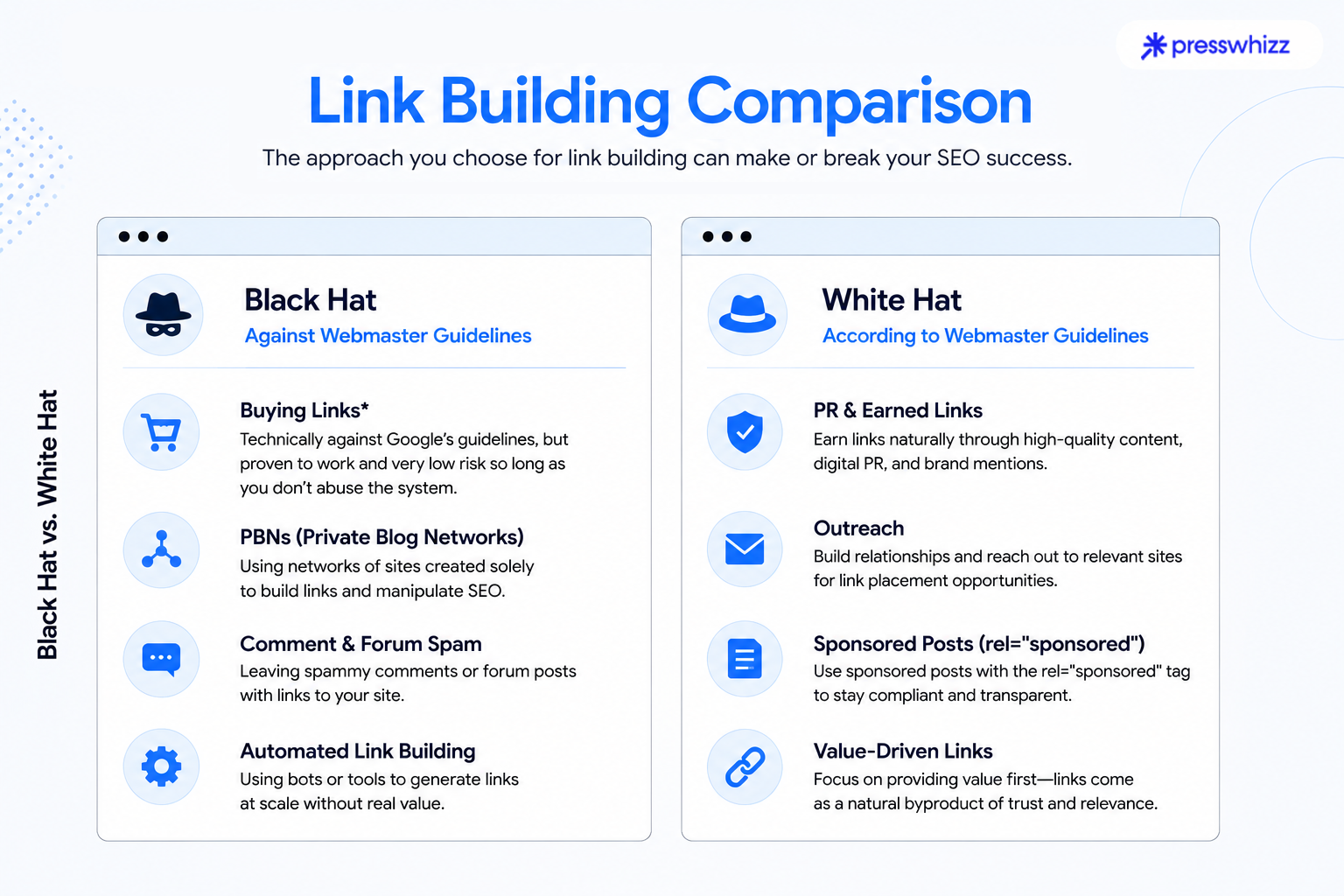
Link building in 2026 looks nothing like the automation-heavy strategies of the early 2020s. Search engines now recognize patterns in bulk-scraped data within hours, frequently before the links are even indexed. Utilizing raw lists of domains scraped without context often leads to instant suppression of presence. The shift toward validated link lists has changed how companies in the local market approach their digital method.
The primary difference in between a public and a private list is not simply exclusivity, however the level of human or AI-driven verification each entry goes through. Raw scraped information often includes "ghost" websites-- domains that look active to a bot however have absolutely no genuine human traffic. These sites are preserved entirely for ad impressions or link selling, and by 2026, search algorithms have become professionals at neglecting them.
The Failure of Raw Scraped Data
Scraped data relies on volume over intent. A normal scrape for digital marketing might yield 50,000 URLs, however after filtering for 2026 quality standards, just a handful stay viable. The rest are frequently part of ending private blog site networks or websites that have actually been flagged for abnormal patterns. When a campaign utilizes these raw lists, it runs the risk of a manual review or a long-term algorithmic dampening.
One significant concern with raw information is the absence of topical importance. In 2026, a link from a website about gardening pointing to a website about professional industry needs brings almost zero weight. Scrapers typically can not compare a site that mentions a keyword and a site that really has authority on a topic. This absence of nuance is why raw scraping has actually mostly been deserted by major professionals.
Why Validated Lists Outperform in 2026 SEO
Verification is the defining metric for present projects. While a public list might claim 10,000 targets, a verified list may just have 200. These 200 targets carry more weight because they have passed look for traffic authenticity and audience engagement. Many experts in the regional area now focus on these smaller, harder-to-get positionings since they offer a steady structure for long-term development.
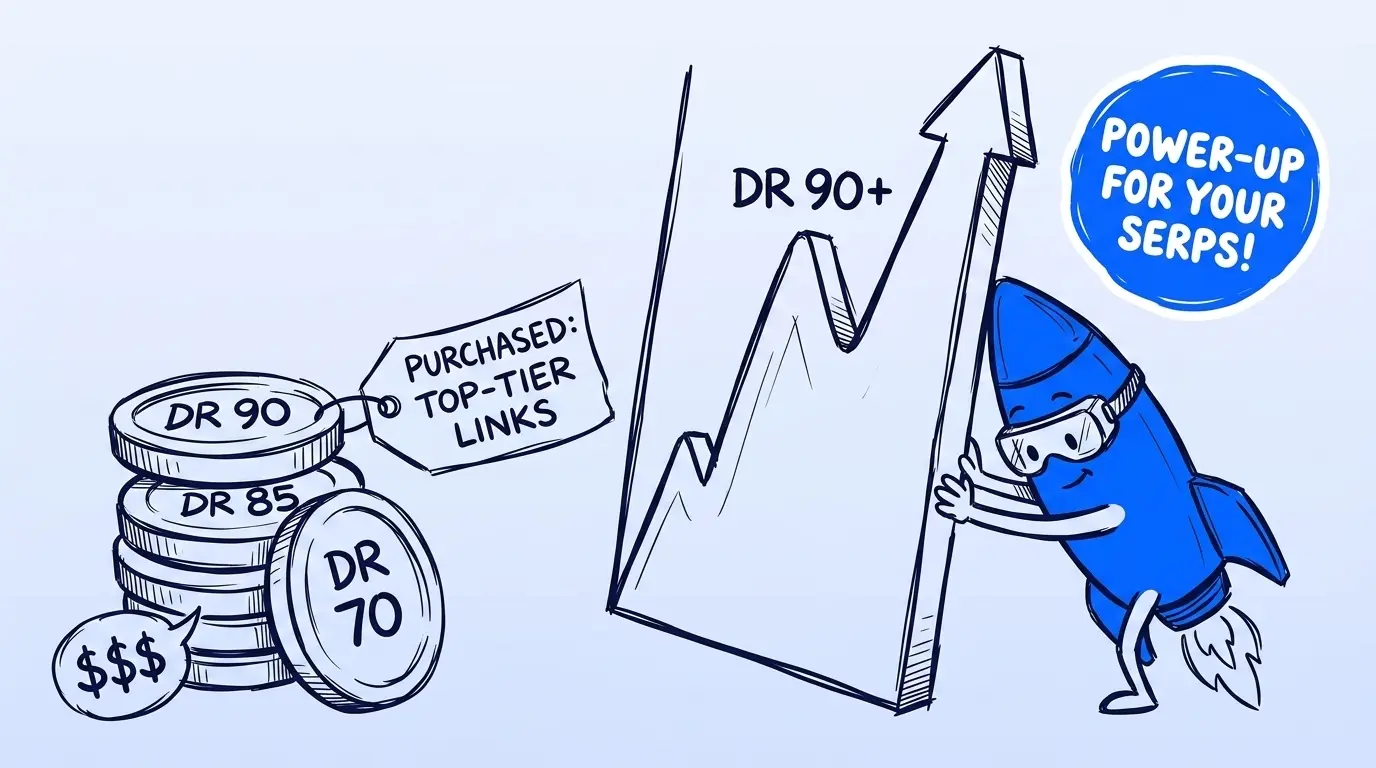
A verified list ensures that every domain has a clean history. In 2026, search engines track the "neighborhood" of a site. If a website links to spammy or low-grade material, every other link on that page declines. Verified lists prune these bad next-door neighbors before a campaign even begins. Success in Michael Swart Guides depends greatly on this kind of information cleanliness.
Public Lists and the Problem of Rapid Decay
Public link lists suffer from a phenomenon known as "list decay." As quickly as a list appears to the general public, numerous SEO practitioners start utilizing it. This creates a footprint that online search engine can quickly trace. When 500 different sites all get links from the exact same set of 50 blog sites within a month, the algorithm flags that cluster for control.
In 2026, the lifespan of a public list is measured in weeks. As soon as the pattern is recognized, the worth of those links drops to absolutely no. This makes public lists a poor investment for services focused on long-term growth. The initial low cost of these lists is often balanced out by the eventual requirement to disavow the links or recover from a loss in rankings.
The Premium on Private Verified Data
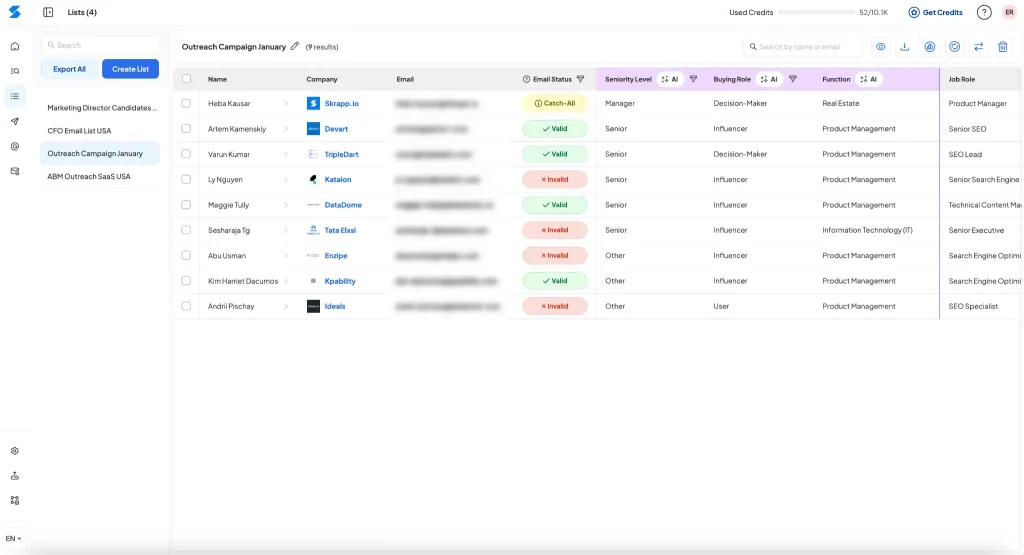
Private lists are frequently handled by groups that keep stringent entry requirements for their domains. These lists are not shared on forums or offered wholesale on marketplaces. Rather, they are the outcome of manual outreach and relationship structure within particular niches. For a company in the surrounding region, accessing a personal list means their backlinks are appearing on websites that are not already filled with outbound links.
This exclusivity avoids the "footprint" concern that plagues public data. Since the volume of outbound links is managed, the authority of the host domain stays high. Turning to Michael Swart Global Sitelist Explanation has ended up being a common way for services to bypass the sound of public lists. The focus shifts from getting as lots of links as possible to getting the right links from the right communities.
Economic Truth of Link Structure in 2026
The ROI of link building has actually shifted toward quality. In the past, individuals determined the "cost per link." In 2026, the metric is "expense per ranking motion." A single link from a confirmed, high-traffic domain often does more for a website's visibility than 1,000 links from a public scraped list. This is especially true for competitive sectors like specialized industries.
Budgeting for these projects requires a change in state of mind. Confirmed data is more pricey in advance due to the fact that it needs continuous maintenance. Domains must be re-verified monthly to guarantee they still meet traffic and security requirements. However, the expense of a stopped working project using bad data-- consisting of the time invested awaiting results that never ever come-- is far greater.
Technical Standards for Link Confirmation
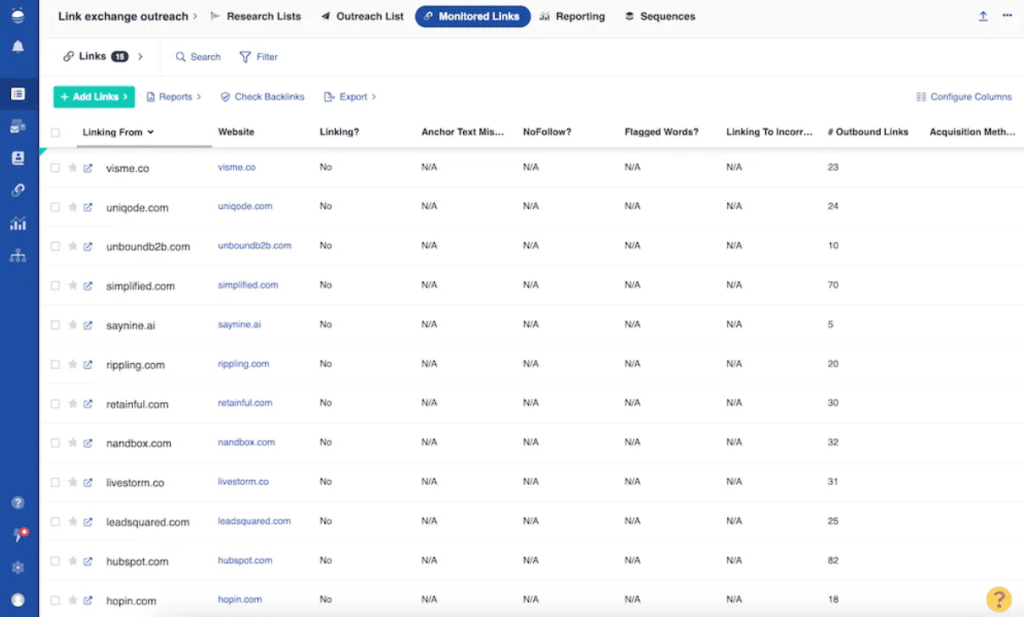
Confirmation in 2026 includes several technical difficulties. The domain should reveal constant human traffic patterns, not bot-driven spikes. Second, the site must have a history of initial content that is really shared on social platforms or referenced by other authoritative sources. The "outbound to incoming" link ratio need to stay within a range that suggests natural editorial control.
- Traffic Consistency: Sites need to keep a stable baseline of visitors over a six-month period.
- Content Originality: AI-generated material that provides no brand-new information is flagged and removed from confirmed lists.
- Link Speed: The rate at which the site gains and gives links need to appear natural.
- Regional Relevance: For regional SEO, the site should have a connection to the local market.
Comparing Performance Metrics
When comparing the 2 techniques, the information reveals a clear winner. Projects utilizing verified private lists see a faster climb in rankings and, more notably, they remain there. Scraped information typically leads to a "bounce"-- a quick rise in rankings followed by a sharp drop once the algorithm discovers the pattern.
For a company in the area, this stability is necessary. Consistent changes in search visibility make it difficult to prepare for growth or manage lead flow. Verified lists provide the predictability needed for a severe marketing plan in 2026.
The Role of AI in List Upkeep
While manual confirmation was the standard for many years, 2026 has actually seen the increase of AI-assisted verification. These tools can analyze countless data indicate determine if a site is a "link farm" or a genuine resource. They look at things like hosting patterns, registrar info, and even the belief of the remarks section.
This innovation has made private lists even more effective. It enables list managers to remove high-risk domains before they can hurt a client's profile. This proactive technique is a trademark of high-tier professional digital techniques. It ensures that the data is not just "clean" at the start of the year, however stays tidy as online search engine policies develop.
Final Ideas on Link List Technique
The option in between public and private link lists is no longer a matter of budget, however a matter of survival. Public scraped data has ended up being a liability that can result in long-term damage to a domain's track record. On the other hand, confirmed lists provide a clear course to authority by focusing on the exact same metrics that online search engine worth: significance, security, and real-world impact.
As the market moves through 2026, the space between these 2 methods will only broaden. Services that invest in confirmed data for their core operations are discovering it much simpler to preserve their positions. Those still relying on the bulk methods of the past are finding themselves significantly invisible in an ever-more critical digital market. Concentrating on quality over sheer numbers is the only method to guarantee that link structure remains a feasible part of a development technique.
**