Boosting Thread Count On Remote VPS
Embrace VPS hosting without delay to move your site towards extraordinary success in the dynamic digital landscape. Make this strategic investment today and witness your website soar to brand-new heights of achievement and recognition online. Consider partnering with Estnoc, a leading web hosting service supplier understood for its trustworthy.
When it pertains to search engine optimization (SEO), lots of site owners concentrate on content, backlinks, and keyword methods. One crucial aspect frequently neglected is the server environment. A Virtual Personal Server (VPS) plays a significant role in figuring out how well your website carries out in search engine rankings. If your VPS is not optimized, slow packing times, security vulnerabilities, and poor uptime can all negatively impact your SEO efforts.
Select the Right VPS Setup The initial step in optimizing your VPS for SEO is ensuring that it has the best resources to manage your site's traffic and processes effectively. Here are some crucial aspects to consider: CPU & RAM: Guarantee your VPS has enough processing power and memory to handle incoming requests without delays.
SSD Storage: Select SSD-based VPS hosting rather of traditional HDDs for faster read/write speeds, reducing page load times. Bandwidth & Network Speed: A high-speed network connection ensures smooth material delivery and lowers the opportunities of downtime. By selecting a well-configured VPS, you set the foundation for a quick and responsive site, which is important for SEO.
GSA Search Engine Ranker guideIf your VPS takes too long to process demands, it can lead to slower page loads and lower rankings. To enhance action time: Utilize a Lightweight Web Server: Apache and Nginx are popular options, however Nginx is frequently chosen for its efficiency in managing high-traffic sites. Enable Caching: Execute server-side caching mechanisms like Varnish, Redis, or Memcached to store regularly accessed data and reduce server load.
Advanced Proxy Settings for Speed
Photo by Pixabay Enable Material Delivery Network (CDN) A Material Shipment Network (CDN) disperses your website's fixed content throughout several servers worldwide. By incorporating a CDN, your website will load much faster, reducing bounce rates and enhancing user engagementboth of which contribute positively to SEO.
A jeopardized website can cause malware infections, blacklisting, and severe SEO charges. Here's how to secure your VPS: Utilize a Secure Sockets Layer (SSL) Certificate: HTTPS is a must for all sites, as Google focuses on safe websites in search rankings. Routine Software Updates: Keep your server OS, CMS, and plugins upgraded to spot vulnerabilities.
A protected VPS guarantees your website remains trusted by search engines and visitors alike. Improve Site Speed with Compression and Minification A slow site can frustrate users and negatively effect SEO.
What Is the Fastest Server for Backlinking?
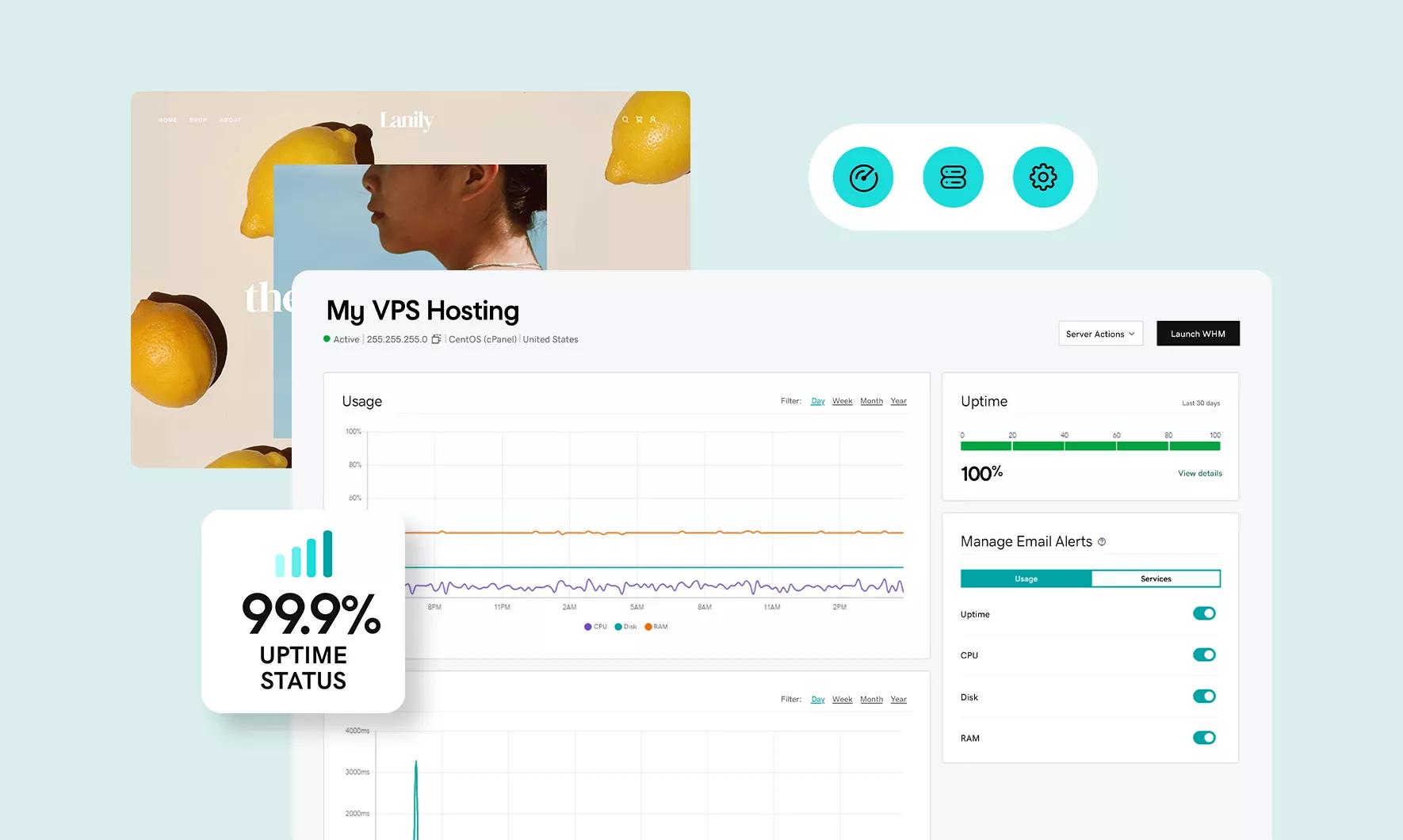
Screen and Optimize Uptime If your site is frequently down, search engines may cheapen your rankings. Use tracking tools like UptimeRobot or Pingdom to track your VPS uptime.
Enhance Images and Media Files Large images and media files slow down your website, affecting load speed and SEO performance. Optimize them by: Utilizing image compression tools like TinyPNG or ShortPixel. Executing next-gen formats like WebP for smaller file sizes. Utilizing lazy packing to delay filling non-critical images up until they are required.
Implement Appropriate Site Caching Caching stores copies of web pages and database inquiries to lower processing time. Some effective caching approaches consist of: Object Caching: Tools like Redis and Memcached store frequently utilized database queries in memory. Full Page Caching: Plugins like WP Rocket or LiteSpeed Cache serve pre-rendered pages to visitors, decreasing server load.
Managed Vs Unmanaged SEO VPS
Caching guarantees your site loads much faster, improving user experience and SEO ratings. Photo by Myriam Jessier on Unsplash Configure and XML Sitemaps Properly Browse engine spiders rely on and XML sitemaps to comprehend your site structure. Appropriately setting up these files aids with effective crawling and indexing: Guarantee it does not obstruct important pages from online search engine.
Frequently Audit Your VPS Efficiency SEO is a continuous procedure, and server efficiency should be monitored regularly. By keeping an eye on your VPS and enhancing it regularly, you make sure consistent SEO performance.
GSA Search Engine Ranker guideIn the digital period, a Virtual Private Server (VPS) is essential for services that desire control over their hosting environment. For search engine optimisation (SEO) specialists, a Windows-based VPS can be a powerful tool. It permits you to run resource-intensive SEO tools, manage numerous websites, and maintain much better security. This guide explores how to optimize your Windows VPS to achieve higher search rankings.
An Essential Guide to Rapid Backlinking
You can install and run specialized SEO software application such as keyword scrapers, backlink analyzers and rank trackers. Windows VPS hosting typically includes dedicated resources (CPU, RAM and storage), making sure consistent performance. For instance, if you're using cheap SEO VPS services, a dedicated environment implies your websites won't be slowed down by other users' activities, which can straight impact SEO metrics like page load time.
Try to find functions like solid-state drives (SSD) or NVMe storage for fast information access, adequate memory for running numerous SEO applications, and 24/7 technical assistance. Evaluate suppliers based upon uptime assurances and consumer feedback. Cost is also a factor; there are numerous options for an inexpensive SEO VPS that still provide great efficiency.
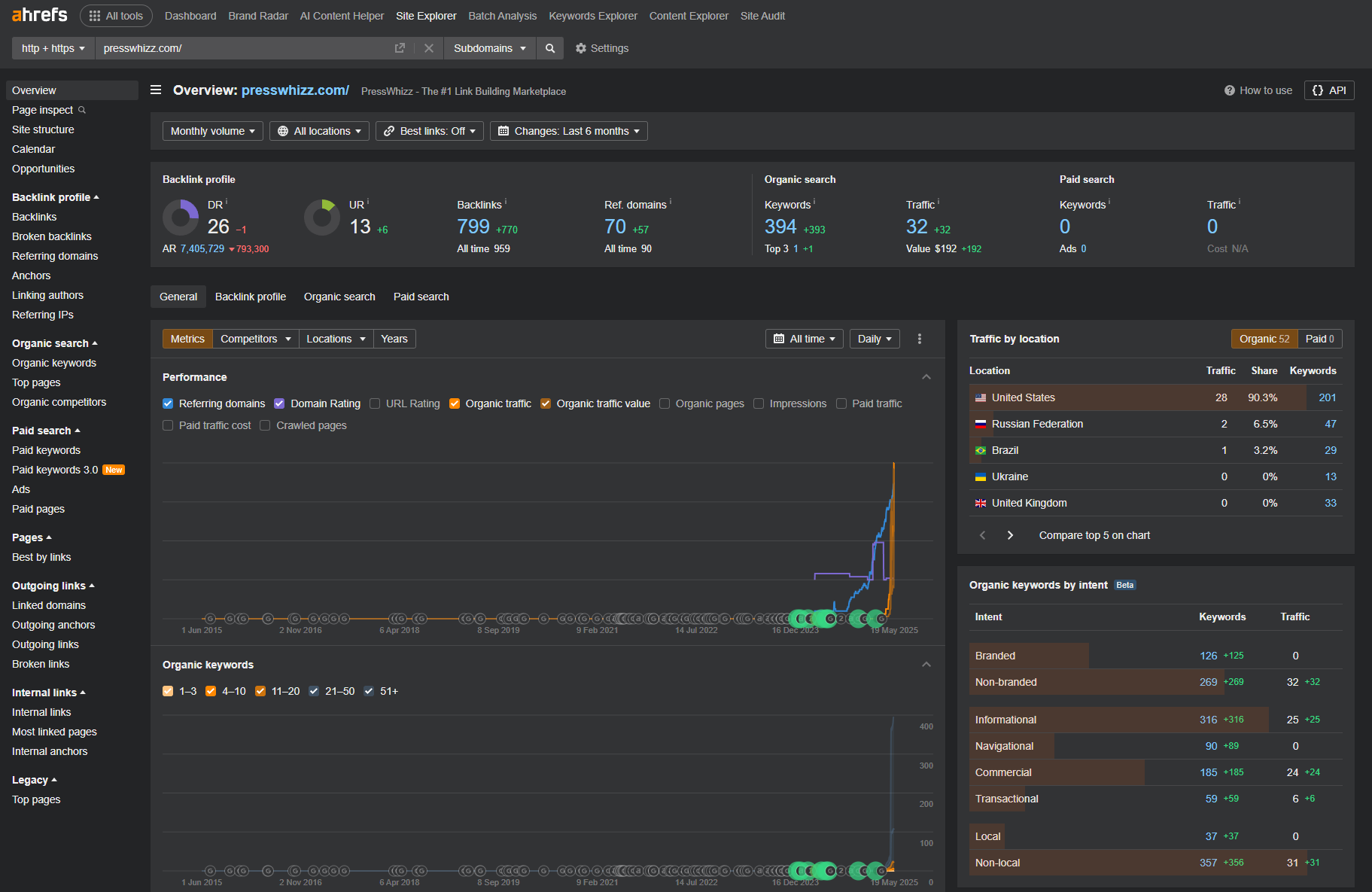
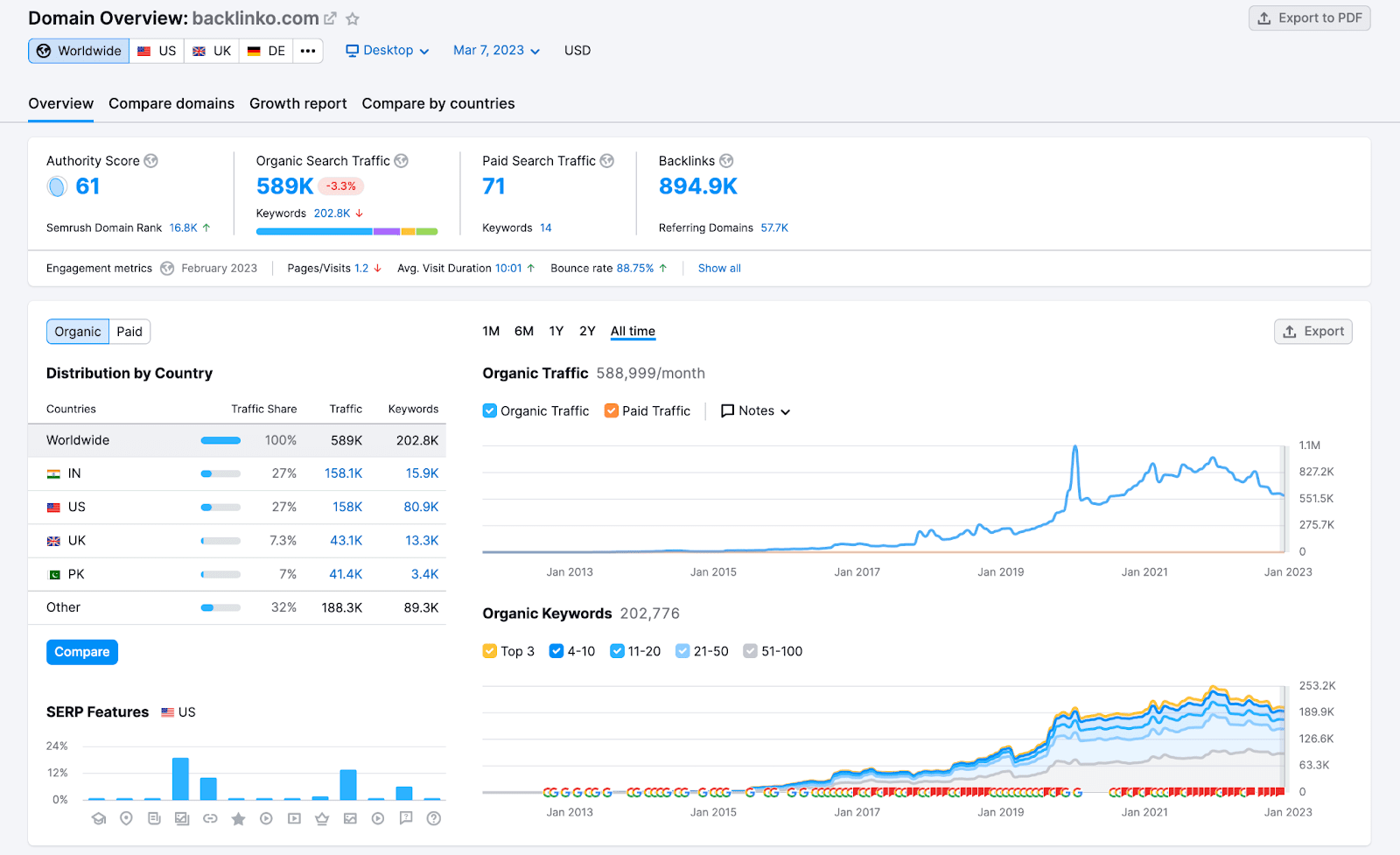
PreInstalled SEO Tools: One advantage of a specialised SEO VPS is having SEO tools pre-installed. Tools such as GSA Search Engine Ranker, Scrapebox, SEMrush, and Ahrefs can be resource-heavy. Installing them on a VPS ensures they run continually without impacting your regional computer. If your service provider offers a VPS with SEO tools set up, this can save setup time and make sure the software is set up properly.
Optimising Server Performance: Speed is an important SEO aspect. To optimise your VPS efficiency, guarantee your server uses the current Windows Server variation and keep all software application patches up to date. Set up caching mechanisms (e.g., using IIS output caching or a CDN) to lower load times. Routinely monitor CPU and memory use; if your SEO tools consume too lots of resources, think about upgrading your strategy.
Security Considerations: Online search engine reward sites that are secure and available. Ensure your Windows VPS has a firewall software allowed and configure automated security updates. Use strong passwords and think about making it possible for multi-factor authentication on your accounts. Separating your SEO tasks on a VPS can reduce the danger of crosssite contamination. For privacy, a devoted IP address assists you prevent being impacted by other users' activities.