Advanced URL Indexing Solutions for 2026
It anchors signals to pillar topics that matter to your audience and to online search engine. By connecting Render Rationales (the why behind each signal) and Per-Locale Ledgers (the locale-specific context and constraints), you can show the authenticity of each backlink render and maintain a coherent narrative as content travels throughout Knowledge Cards, Maps, Copilot prompts, and edge surface areas.
For more on the governance technique and useful positioning with localization, see the external recommendations below. The indexation and signal proliferation work described here are planned to be regulator-ready and scalable. In Part 2, we'll dive into useful fundamentals: what counts as a high-value backlink for GSA SER, how to assess referring domains, and how to determine pillar-topic impact across areas.

You'll find vendor evaluation frameworks, anchor technique design templates, and localization-ready scoring rubrics developed for multilingual backlink programs. These design templates help translate governance principles into repeatable workflowsso your GSA SER projects stay auditable and scalable as you expand into new markets. Full-width governance framework: signals, provenance, and localization across surface areas. The governance spinal column is what makes this technique long lasting: it travels pillar semantics through Understanding Cards, Maps, Copilot prompts, and edge surfaces, maintaining semantic stability as you expand localization depth.
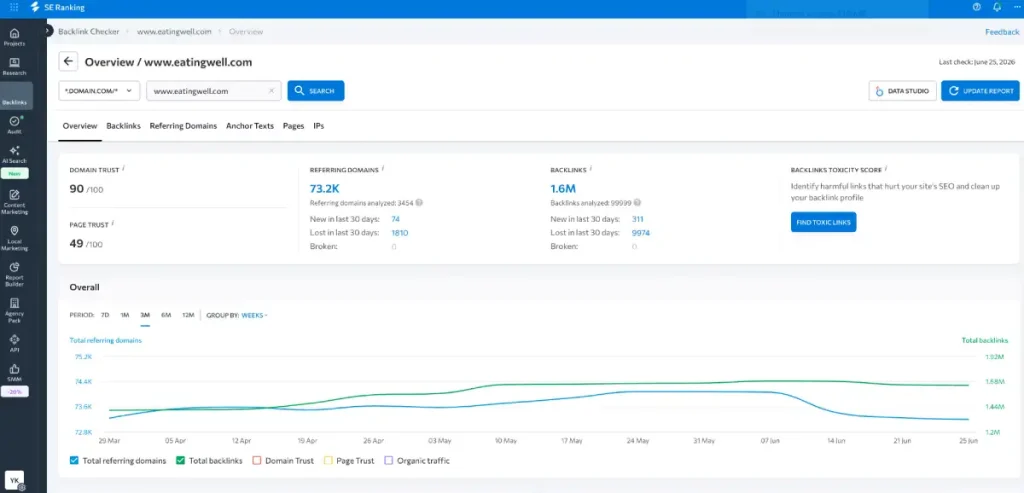
As you plan your initial efforts, think about starting with a small, premium property set that exemplifies pillar-topic depth in one area. Connect Render Rationales and Per-Locale Ledgers to every signal, and use edge-routing guardrails to guarantee delivery reliability across gadgets and surface areas. This disciplined start sets a structure for regulator-ready growth as you expand pillar subjects and surface area reach.